Just How Thumb Braces Can Support Your Joint Health Throughout Daily Activities
Thumb braces offer a crucial feature in preserving joint health and wellness throughout day-to-day tasks. They use stability and minimize stress, particularly for those experiencing discomfort from problems like joint inflammation. By making use of these braces, individuals can boost their capability to carry out activities such as inputting and clutching. However, understanding the various types and proper usage of thumb dental braces is necessary for maximizing their benefits. What considerations should one keep in mind when choosing the ideal support?
Understanding the Anatomy of the Thumb
Commonly taken too lightly, the thumb plays a necessary role in hand function and total dexterity. Made up of two phalanges, the thumb's one-of-a-kind framework permits a higher variety of motion compared to various other fingers. Its opposability, an essential characteristic, allows the thumb to touch the pointers of the other fingers, facilitating gripping and squeezing actions. The carpometacarpal joint, located at the base of the thumb, is highly mobile, allowing the thumb to revolve and flex in different directions. Ligaments and tendons support the thumb, giving both support and adaptability during tasks. Furthermore, the existence of muscular tissues such as the abductor pollicis longus and opponens pollicis improves its motion capacities. This elaborate anatomical plan is necessary for executing day-to-day tasks, from contacting comprehending items, highlighting the thumb's relevance in both fine electric motor abilities and gross electric motor functions. Recognizing this makeup can help appreciate the thumb's vital contributions to overall hand health and wellness.
Usual Thumb Injuries and Strain
The complex composition of the thumb makes it vulnerable to various injuries and strains, especially because of its constant use in daily activities. Usual thumb injuries include sprains, which occur when tendons are overstretched or torn, frequently resulting from uncomfortable hand movements or falls. Tendonitis is an additional common problem, identified by swelling of the tendons that control thumb movement, typically because of recurring stress.
De Quervain's tenosynovitis is a particular kind of tendonitis influencing the tendons situated at the base of the thumb, usually experienced by people who involve in repeated gripping or pinching. Cracks, though less usual, can occur from straight trauma, specifically in sporting activities or accidents. These injuries can lead to pain, swelling, and reduced flexibility, affecting daily jobs and overall thumb capability. Comprehending these typical thumb injuries is crucial for acknowledging symptoms and seeking appropriate care.
Advantages of Using Thumb Braces
Using thumb braces can significantly improve joint health and offer alleviation from different thumb-related injuries. These supportive devices support the thumb, minimizing pressure during day-to-day activities such as keying, texting, or gripping objects. By incapacitating the joint, thumb braces can reduce discomfort and swelling connected with problems like joint inflammation or tendonitis.
Furthermore, they promote appropriate alignment, which is crucial for preventing additional injury. Putting on a thumb brace can likewise encourage rest and recuperation, permitting time for recovery while maintaining functionality.
Thumb dental braces commonly feature adjustable bands, ensuring a personalized fit that improves convenience throughout usage. This versatility makes them appropriate for people of differing hand dimensions and activity degrees. Eventually, including thumb braces right into one's daily routine can result in boosted joint wellness, increased wheelchair, and a decrease in the risk of aggravating existing thumb conditions.
Different Sorts Of Thumb Braces Available
When taking into consideration thumb braces, individuals can select in between different types that accommodate specific requirements. Inflexible support braces deal stability and immobilization, while flexible compression sleeves provide gentle support and enhanced blood circulation. Recognizing these alternatives can help customers choose the most suitable brace for their joint wellness.
Rigid Assistance Supports
Versatile Compression Sleeves
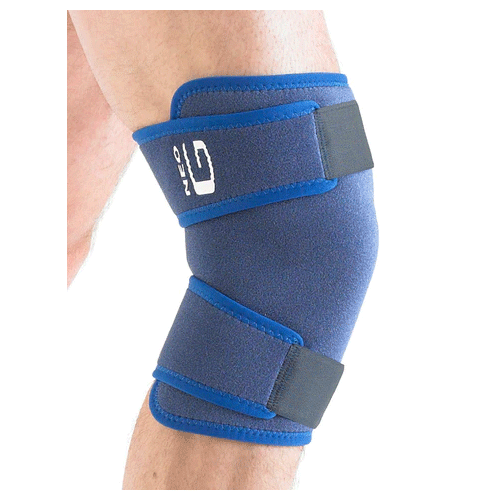
In enhancement to inflexible support braces, flexible compression sleeves use an alternative strategy to thumb assistance, emphasizing convenience and wheelchair. These sleeves are developed to supply mild top article compression, which can help in reducing swelling and boost circulation in the thumb joint. Made from flexible materials, they allow for a complete variety of movement, making them ideal for individuals that engage in day-to-day activities needing dexterity. Versatile compression sleeves been available in numerous dimensions and designs, dealing with different levels of support and specific choices. They are frequently lightweight and easy to use, making them suitable for extended usage throughout the day. On the whole, these sleeves offer as a functional choice for those looking for relief without giving up functionality.
Just how to Pick the Right Thumb Dental Braces for Your Requirements
Picking the right thumb brace involves several essential considerations. Individuals need to examine their certain problem, assure the dimension and fit are appropriate, and evaluate the product and design for convenience and support. These factors play an essential role in discovering a brace that effectively meets their needs.
Consider Your Condition
When selecting a thumb support, it is necessary to consider the particular problem influencing the thumb, as different ailments might call for distinctive degrees of support and immobilization. For example, people experiencing arthritis might take advantage of braces that give compression and warmth, minimizing pain and stiffness. On the other hand, those recouping from a sprain might need a support that supplies rigid assistance to limit movement and advertise healing. Repetitive strain injury sufferers may look for dental braces developed to stabilize the wrist while allowing some thumb functionality. Furthermore, problems like trigger finger may require dental braces that reduce stress in the thumb tendons. Ultimately, understanding the specific requirements determined by one's problem will lead individuals to pick one of the most effective thumb support for their distinct circumstance.
Size and Fit
Choosing the appropriate size and fit for a thumb brace is necessary for attaining suitable support and comfort. Individuals need to start by gauging their thumb circumference and size to identify the appropriate size according to the manufacturer's sizing graph. A correctly fitted brace ought to snugly frame the thumb without creating tightness or discomfort. It is critical to review individual tasks and the level of mobility called for; some might like a more versatile design, while others could need a firmer assistance. Trying out various styles can assist identify which brace feels ideal during regular daily jobs. In addition, ensuring that the support fits any kind of swelling or changes in thumb size throughout the day can additionally boost its performance and user complete satisfaction.
Material and Layout
The choice of material and layout greatly affects the effectiveness of a thumb brace, individuals have to consider their certain demands and choices. Thumb braces are typically made from materials such as neoprene, nylon, or breathable materials, each offering differing levels of assistance and comfort. Neoprene offers warmth and compression, while breathable textiles enhance airflow, making them suitable for extended wear. The layout is similarly essential; some dental braces include inflexible assistances for immobilization, while others permit greater versatility throughout motion. Furthermore, flexible bands can boost fit and comfort, suiting different thumb shapes and sizes. Individuals should assess their daily tasks and the level of support called for to select the most ideal thumb support for optimum joint health.
Tips for Incorporating Thumb Braces Into Your Daily Regimen
Incorporating thumb supports into daily routines can significantly boost joint wellness and comfort. To begin, individuals need to identify specific tasks that strain the thumb, such as inputting or gripping tools, and use browse around these guys the brace throughout these jobs. It is additionally beneficial to develop pointers for routine usage, especially during repetitive activities.
Changing the fit of the brace is vital; Continue it should be tight yet comfy to assure support without restricting circulation. Individuals might likewise take into consideration wearing the brace during remainder periods to ease pain.
Additionally, integrating thumb support usage with mild extending and enhancing exercises can optimize benefits. Engaging in ergonomic techniques, such as readjusting workstation elevation, further assistances joint wellness. Keeping an extra support handy can make certain that assistance is always available, allowing for constant use throughout various day-to-day tasks.
Frequently Asked Inquiries
Can Thumb Braces Be Used Overnight for Added Assistance?
Thumb braces can be put on over night for additional assistance, providing security and reducing pressure during remainder. However, people need to consult a healthcare specialist to assure appropriate fit and avoid potential pain or problems while sleeping.
Are There Any Type Of Dangers Associated With Extended Thumb Brace Use?
Extended thumb support use can cause muscle degeneration, joint tightness, or dependency on the brace for support. It's crucial to balance brace usage with exercises to preserve toughness and flexibility in the thumb.
Exactly how Often Should I Change My Thumb Dental Braces?
Thumb dental braces must generally be changed every 3 to 6 months, depending on usage and wear (brace). Regular inspections for signs of wear and tear are necessary to guarantee suitable support and convenience for the customer's joint health and wellness
Can Thumb Braces Assist With Joint Inflammation Discomfort Relief?
Thumb dental braces can supply significant alleviation for arthritis pain by supporting the joint, decreasing pressure throughout movement, and restricting excessive activity. This support helps reduce discomfort and improves general hand function for people experiencing joint inflammation signs and symptoms.
Is It Safe to Utilize a Thumb Brace During Sports Activities?
Using a thumb brace throughout sports activities can be secure, gave it fits effectively and permits for necessary movement. Nonetheless, people should seek advice from a healthcare specialist to ensure it meets their details demands and conditions.
The carpometacarpal joint, situated at the base of the thumb, is extremely mobile, enabling the thumb to revolve and flex in various directions. Different thumb dental braces are readily available, rigid support dental braces stand out for their capacity to give substantial security and immobilization to the thumb. In addition to rigid support braces, flexible compression sleeves supply an alternative technique to thumb assistance, emphasizing convenience and movement. When selecting a thumb support, it is vital to ponder the specific problem impacting the thumb, as different disorders might call for distinctive degrees of support and immobilization (Canadian Orthopedic Supply). Extended thumb brace usage can lead to muscular tissue degeneration, joint rigidity, or reliance on the brace for support